
The History of the Balikbayan Box: How Filipino Families Send Love Across the Ocean
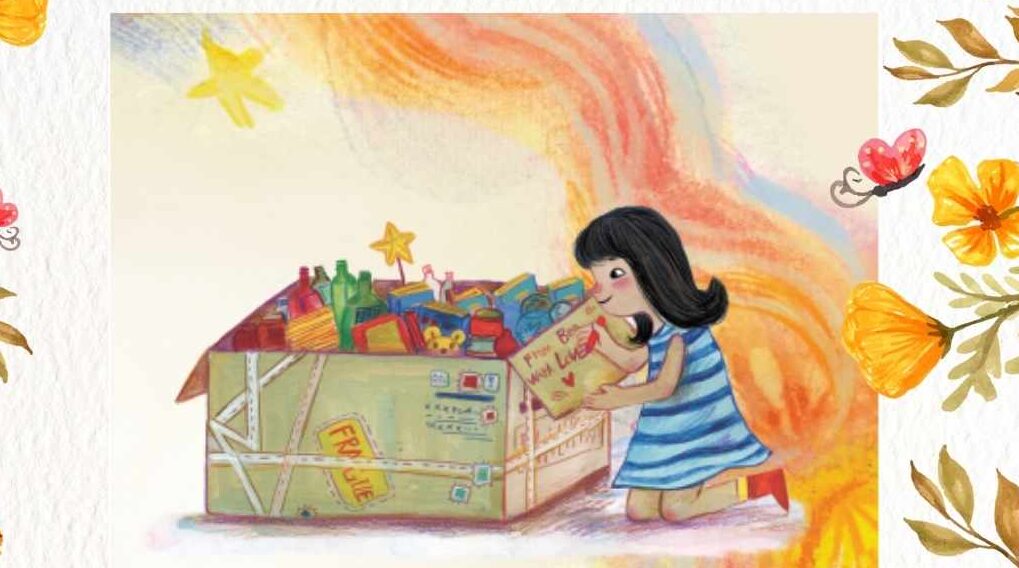
If you’ve ever seen a large cardboard box packed with snacks, gifts, clothing, and small treasures headed to the Philippines, you’ve likely seen a balikbayan box.
But what exactly does balikbayan mean—and how did this beloved tradition begin?
What Does “Balikbayan” Mean?
The word balikbayan comes from two Filipino words:
- balik – to return
- bayan – town, homeland, or country
Together, the word refers to someone returning home to the Philippines.
Over time, the term also came to represent the care packages sent by Filipino families living abroad. These large boxes are filled with gifts, everyday necessities, and favorite treats, sent across the ocean to loved ones in the Philippines.
But the balikbayan box is more than just a package. It’s a powerful symbol of family, connection, and love that travels across distances.
The Beginning: The Balikbayan Program (1973)
The roots of the modern balikbayan tradition can be traced to 1973, when the Philippine government introduced the Balikbayan Program.
The program encouraged Filipinos living overseas to visit the Philippines by offering special travel incentives.
However, many overseas Filipino workers and immigrants were unable to travel home regularly. Instead, they began sending large boxes filled with goods and gifts to their families. These packages became known as balikbayan boxes — a way to send love home even when you couldn’t return yourself.
The Rise of Door-to-Door Shipping (1980s)
As the Filipino diaspora grew, so did the demand for reliable ways to ship these boxes.
In the 1980s, freight forwarding companies began offering door-to-door balikbayan box shipping services, especially in cities with large Filipino communities like Los Angeles.
One early company, REN International, helped popularize the process by making it easier for families to send boxes directly from their homes in the United States to their relatives’ doors in the Philippines.
This innovation made the tradition more accessible and helped the balikbayan box become a central part of Filipino family culture abroad.
Duty-Free Shipping Expands the Tradition
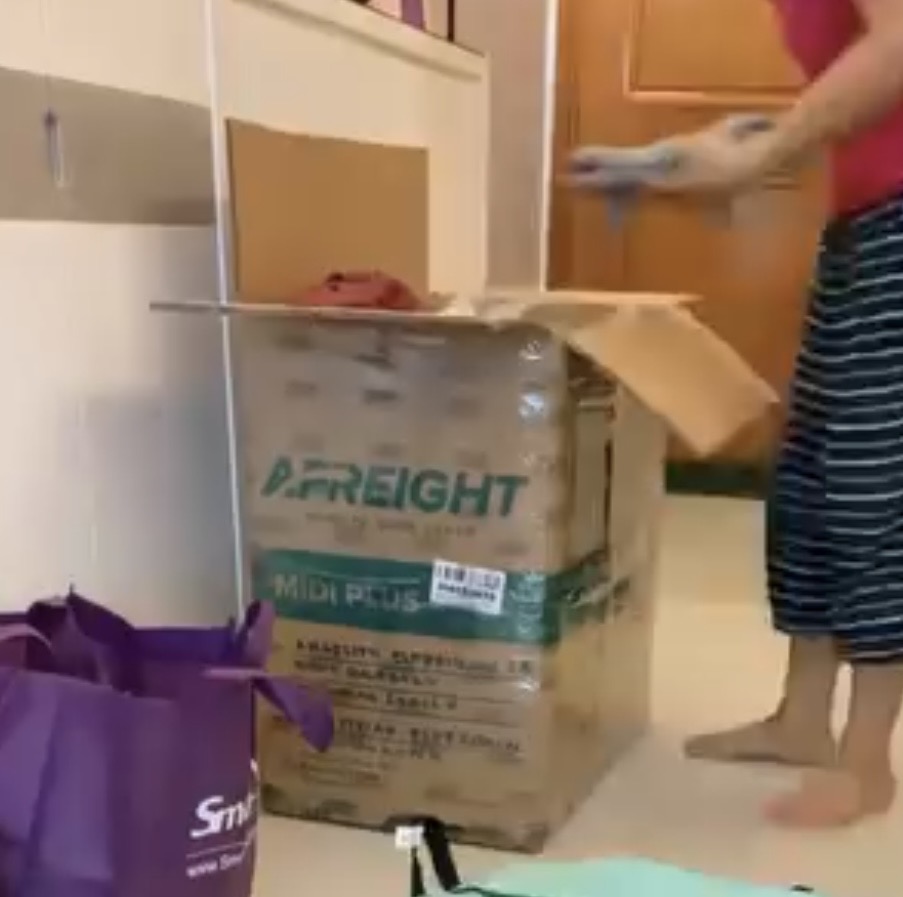
In the late 1980s, new policies allowed balikbayan boxes to enter the Philippines duty-free under certain conditions.
This meant families could send more items without worrying about extra taxes or fees. As a result, balikbayan boxes often became packed with:
- Favorite snacks and candies
- Clothing and shoes
- Household goods
- Toys and school supplies
- Personal gifts and souvenirs also known as pasalubong
For many families, opening a balikbayan box became a joyful event, sending their love and feels a lot like celebrating a holiday together.
Changes After 9/11
Following the events of September 11, 2001, international shipping regulations became stricter.
Beginning in the early 2000s, balikbayan boxes as with most international cargo became subject to additional security screenings and documentation requirements.
Even with these changes, families continued the tradition, showing how deeply meaningful the balikbayan box had become.
A Cultural Icon
Today, the balikbayan box is recognized as an important symbol of the Filipino diaspora.
It has appeared in:
- Museum exhibits, including displays at the Smithsonian National Museum of American History
- Cultural institutions in the Philippines, such as the Ayala Museum
- Popular media and online culture, including music and comedy videos
These boxes have come to represent the global Filipino experience connecting families separated by oceans brought together with is act of love, generosity, and tradition.
Millions of Boxes, One Message — Love knows no distance!
Every year, millions of balikbayan boxes travel across the ocean from countries all around the world to the Philippines.
Each one carries more than gifts. Inside are reminders of home, stories of migration, and the heartfelt message that love knows no distance.
Books and Museums to Learn More
If you’d like to explore the cultural story of the balikbayan box further, here are a few family-friendly places to start:
- Bea’s Balikbayan Box of Treasures by Christine Alemshah and Dream Chen
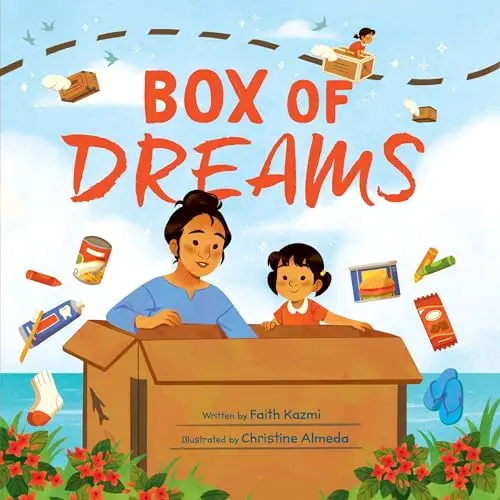
- Box of Dreams by Faith Kazmi and Christine Almeda
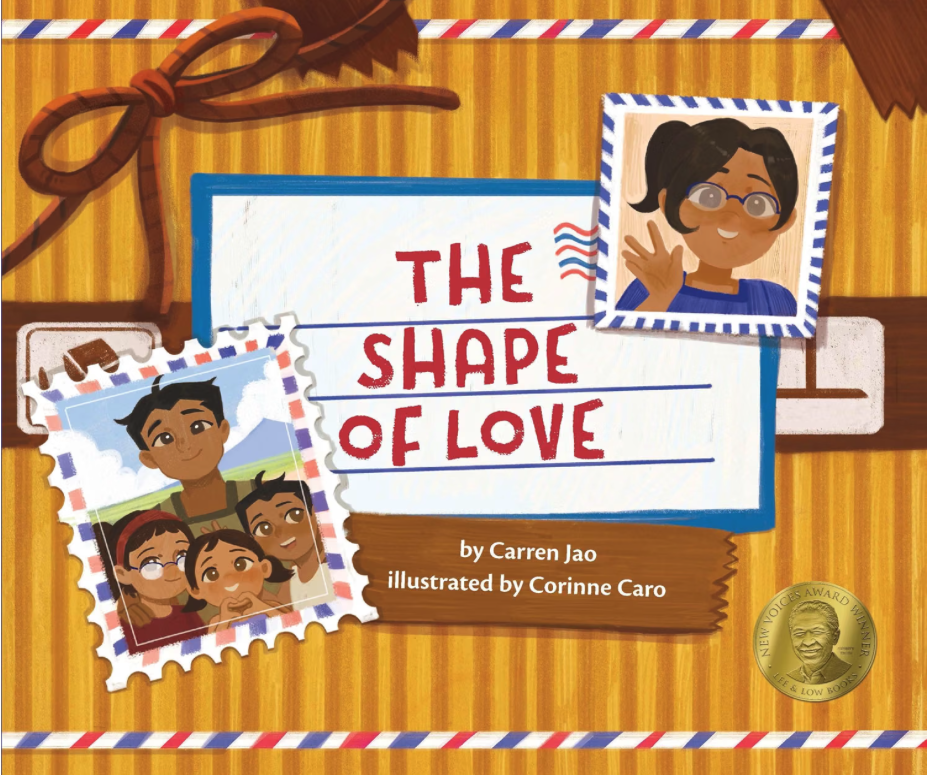
- The Shape of Love by Carren Jao and Corinne Caro

Museums:
- Smithsonian National Museum of American History (Washington, D.C.)
- Ayala Museum (Philippines)
Shops/Businesses
- Papel Collective – hosts events to create Filipino-themed junk journals and mini balikbayan boxes
- Lil Balikbayan – Offering Filipino cultural enrichment classes and experiences for children and families. (Philippines)
These stories and exhibits help preserve the meaning behind a tradition that continues to connect Filipino families across the world. I hope to continue adding to this list sharing places to enjoy this honored tradition!

You May Also Like
